After your event concludes and the last guest leaves, the work isn’t quite over. The post-event...
Table of contents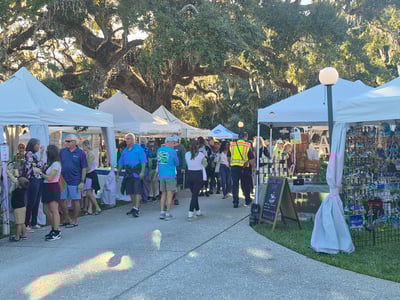
- The fine line between variety and chaos
- The risks of overcrowding: why less can be more
- Strategic curation: selecting a diverse mix
- Leveraging event management applications for selection
- Smart spatial planning: mapping for success
- Conclusion: tech-driven balance
The fine line between variety and chaos
Imagine walking into a food festival excited to try something new. You see a taco truck, which sounds delicious. Then you see another taco stand. And another. And two more down the row. Suddenly, your excitement turns into decision paralysis. This scenario highlights a common struggle for event organizers and event planners: finding the "Goldilocks" zone of vendor variety and using the right event management software, event management system, or event management platform to strike the perfect balance.
Today’s successful event planning relies on more than intuition. Event management tools, such as mobile app integration, real time reporting, payment processing, and robust registration forms, can help your team members assess vendor mix, attendee experience, and overall event performance. Leveraging features like social media integration and an event website can also help avoid overcrowding and boost both attendee satisfaction and vendor success.
The right event management solution or event registration and ticketing system doesn’t just make organizing easier—it provides the data and customer support needed to curate a vibrant, balanced vendor lineup while supporting a seamless attendee journey from start to finish.
You want enough options to delight your attendees and cater to different tastes, but not so many that you dilute vendor profits or create physical bottlenecks. Achieving this balance is crucial for the health of your event ecosystem. When you get it right, attendees feel spoiled for choice without being overwhelmed, and vendors see high foot traffic and strong sales.
However, managing this balance manually is incredibly difficult. Without the right tools and strategies, it is easy to accidentally accept too many jewelry makers or coffee carts. This guide explores how you can curate a profitable, diverse marketplace using modern strategies and event management applications.
The risks of overcrowding: why less can be more
Overcrowding isn't just about physical space; it also involves market saturation—a challenge for event organizers using any event management software, system, or platform. When too many vendors are packed into a small area or too many sellers offer similar products, the consequences can ripple throughout your entire event, impacting attendee experience, vendor satisfaction, and even payment processing efficiency.
Today’s event management tools and event management solutions allow team members to monitor capacity in real time, improve booth assignments, and collect feedback through mobile app check-ins or digital registration forms. By relying on these technologies, you not only streamline payment processing but also enhance your ability to support in-person gatherings.
Additionally, features like integrated event websites, and strong customer support help manage the attendee flow and boost engagement, while social media integration and robust analytics further ensure your event registration and ticketing process remains organized and attendee-focused. Overcrowding diminishes the attendee experience and can even affect repeat participation; managing variety thoughtfully is essential for any event planning team aiming for successful outcomes.
Impact on vendors
Your vendors are small business owners who invest significant time and money to participate in your event. If you place five candle makers in a small section, you slice the potential customer pie into slivers too thin to feed anyone.
- Sales dilution: When direct competitors flood a zone, individual sales drop. Vendors may leave feeling the event wasn't worth the investment.
- Lower retention: Unhappy vendors don't return. High churn rates force you to spend more resources hunting for new applicants every year.
Impact on attendees
For attendees, overcrowding creates friction.
- Physical bottlenecks: Cramming booths too close together creates traffic jams, making it hard to browse or buy.
- Decision fatigue: Studies show that when consumers face too many similar choices, they often choose nothing at all. An overwhelmed attendee keeps their wallet in their pocket.
Strategic curation: selecting a diverse mix
Balancing variety starts long before the event gates open. It begins during the application phase and is most effective when you take advantage of event management software and event management platform features designed for vendor curation. To ensure a vibrant marketplace and optimize the attendee experience, use event registration and ticketing modules as well as registration forms to gather the right mix of vendors. Event organizers should involve their team members early, leveraging event management system dashboards to track category limits in real time, manage hybrid events and virtual events, and monitor the impact of payment processing strategies.
A strong event management solution and reliable event management tools support social media integration and enhance communication between team members, vendors, and staff, streamlining customer support throughout the process. By referencing real time data and integrating features like badge printing, mobile app check-ins, and an event website, your event planning becomes more strategic and less reactive. This proactive approach ensures you balance vendor variety without overcrowding, creating a smoother experience for both vendors and attendees.
Define your categories and caps
Before you open applications, decide on the ideal makeup of your market. Look at your total vendor spots and assign percentages to different categories.
- Example ratio: For an art fair, you might allocate 30% to Fine Art, 20% to Jewelry, 15% to Textiles, 15% to Ceramics, and 20% to Food & Beverage.
- Set hard caps: Determine a maximum number for high-saturation categories. If you have 50 spots, cap jewelry vendors at 10. Once you hit that number, open a waitlist.
Differentiate within categories
Variety exists within categories too. If you have five spots for food trucks, ensure they don't all serve burgers. Aim for a mix: one burger truck, one taco truck, one vegan option, one dessert cart, and one international cuisine. This ensures that even with multiple food vendors, they aren't directly cannibalizing each other's sales.
Leveraging event management applications for selection
In the past, event organizers relied on spreadsheets and sticky notes to track vendor types, which made effective event planning difficult and led to frequent oversights. This manual approach often resulted in errors, slow updates, and limited insights for team members and customer support. Today, a comprehensive event management system features can automate the vendor selection process and ensure consistency in your curation strategy. These event management tools—including mobile app dashboards, real time data analytics, registration forms, automated waitlists, and payment processing integration—simplify workflow and help you manage hybrid events or virtual events as easily as in-person festivals.
Modern systems also streamline communication between team members, enhance the attendee experience, and ensure seamless event registration and ticketing directly from your event website. Additionally, modules with social media integration allow for easier outreach and engagement, while robust customer support features give you peace of mind throughout the planning lifecycle. By leveraging a full-featured event management solution, you can move beyond administrative headaches and focus on curating standout vendor variety without risking overcrowding.
Automated tagging and filtering
Modern event planning tools allow you to require vendors to select a primary category when they apply. As applications roll in, the system automatically sorts them. You can view your dashboard and instantly see, "I have 15 applications for 5 woodworking spots." This real-time data prevents you from overbooking a category by mistake.
Jurying and scoring tools
For high-demand events, quality control is key. Event management applications often include jurying features where your team can score applicants based on product quality, booth presentation, and uniqueness. This data-driven approach helps you select the best-of-the-best, ensuring that the vendors you do choose add real value to the event.
Waitlist management
When a category fills up, don't just reject the overflow. Use your software to automatically move qualified applicants to a specific waitlist (e.g., "Waitlist - Apparel"). If a confirmed apparel vendor drops out last minute, you can fill the spot with a similar vendor instantly, maintaining your perfect balance.
Smart spatial planning: mapping for success
Even with the perfect list of vendors, placement can make or break the attendee experience. Relying on event management software and event management tools, you can coordinate vendor locations using features such as real time mapping, mobile app support, and digital event planning dashboards. Placing two coffee vendors side by side may create an awkward competitive environment and diminish sales opportunities for both, while also negatively affecting attendee satisfaction. Smart mapping in your event management system or event management platform helps ensure optimal flow and discovery by distributing vendor types thoughtfully, considering payment processing needs, and streamlining logistics for hybrid events or virtual events.
With integrated event management solution capabilities like badge printing, registration forms, team member communication, and social media integration, your team can manage vendor placement and monitor crowd dynamics in real time. This approach not only improves the physical layout and the vendor mix but also supports seamless event registration and ticketing through your event website, bolstered by customer support. When event organizers leverage these technologies, they can create an environment that maximizes discovery, drives engagement, and leads to more successful event planning outcomes for vendors and attendees alike.
Visualizing the layout
Use the interactive mapping tools found in comprehensive event management applications. These tools let you drag and drop vendors onto a digital map of your venue.
- Buffer zones: purposefully separate competitors. If Booth A is selling handmade soap, ensure the next soap vendor is at least three rows away.
- The "anchor" strategy: Place high-popularity vendors (like a famous food truck or a major sponsor) in less-trafficked corners. This draws attendees through the entire event, forcing them to walk past other vendors to get there, increasing exposure for everyone.
Flow management
Analyze your map for pinch points. Successful event planning involves predicting human behavior. If you place a popular food vendor near a narrow walkway, the line will block traffic. Use your digital map to ensure there is ample queuing space around high-volume vendors to prevent overcrowding in the aisles.
Conclusion: tech-driven balance
Balancing vendor variety is both an art and a science. It requires a deep understanding of your audience's desires and a commitment to your vendors' success. By moving away from manual spreadsheets and embracing event management applications, event management software, or a comprehensive event management platform, you gain real time control and insight to curate a perfectly balanced event. With features like automated registration forms, mobile app support, badge printing, and seamless payment processing, you enable your team members to work more efficiently and improve the overall attendee experience.
Leveraging a robust event management system or event management solution allows event organizers to streamline event registration and ticketing, manage hybrid events and virtual events, and utilize your event website alongside social media integration for wider reach and engagement. The best event management tools also provide strong customer support, making it easier to handle challenges as they arise and ensuring your event planning process is both effective and scalable year after year.
Technology allows you to enforce category caps, visualize vendor placement, and streamline the selection process. The result is an event where attendees discover new treasures around every corner, vendors report record-breaking sales, and you can focus on the big picture instead of putting out fires. Start planning your next event with a focus on curation, and watch satisfaction levels soar.